You Can Count on Us
Solar-Powered Attic Ventillation
Serving Spring, Klein, Tomball, Texas and Surrounding Areas
Solar Powered Attic Fans
The Importance of Solar-Powered Vents
Solar-powered attic vents in Spring, TX are an innovative way to improve ventilation without adding to your electricity bill. Because hot climates can trap heat in attics, your HVAC system works harder. Additionally, this increases energy consumption, and shortening your roof’s lifespan.
What Are Solar-Powered Vents and How Do They Work?
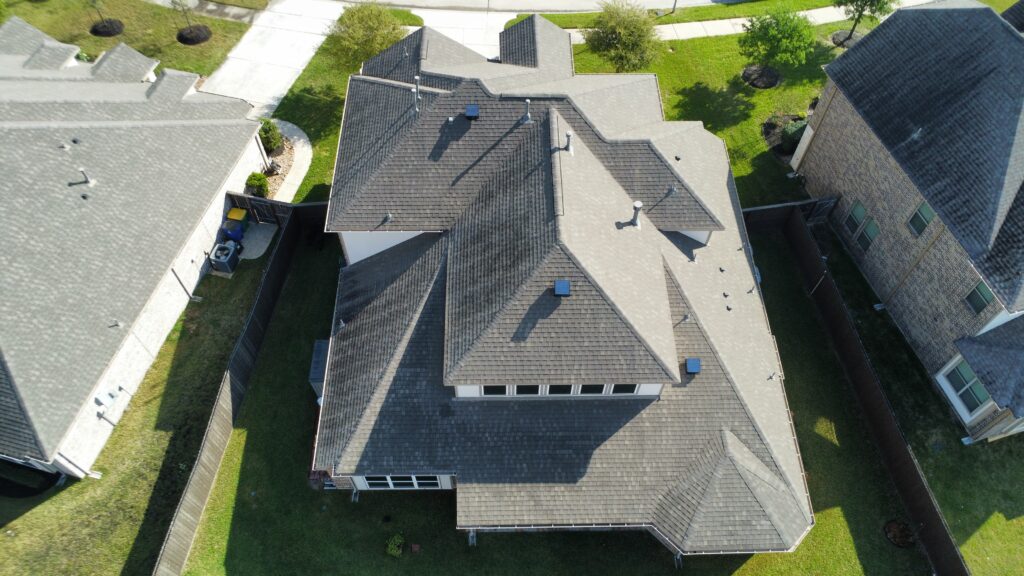
Solar-powered vents are ventilation systems installed on your roof that use solar energy to power a fan, which expels hot air from your attic. Comparatively, traditional vents rely on electricity or passive airflow. But, solar-powered vents operate entirely on solar energy, making them an environmentally friendly option.
All in all, drawing fresh air into the attic while expelling hot, stale air, solar-powered vents reduce the strain on your cooling system. Furthermore, this system not only keeps your home cooler but also extends the life of your roofing materials; because it prevents moisture buildup and mold.
Reduced Energy Costs and Improved Efficiency
One of the major advantages of solar-powered vent installation in Spring, is the reduction in your home’s energy consumption. Since these vents harness the sun’s power, they don’t require electricity to run. Basically, by expelling hot air from your attic, your home stays cooler, and your HVAC system doesn’t have to work as hard to maintain a comfortable temperature.
Moreover, solar-powered vents are particularly effective during peak sunlight hours when attic temperatures can soar to unbearable levels. As a matter of fact, installing these vents helps keep attic temperatures under control. Therefore, reducing your cooling costs and providing a more comfortable indoor environment.
Contact Us Today!
A member of our team will be in touch shortly.
Certified Attic Depot Platinum Preferred Installation
Why Professional Installation Matters
While solar-powered vents are one of the best ways to protect your roof from extreme heat and moisture buildup, proper installation is critical to achieving maximum performance. As an official Attic Depot Platinum Preferred Dealer, our crews are factory-trained and personally approved to ensure your solar attic power vents are positioned, flashed, and sealed for ultimate efficiency.
ATTIC EFFICIENCY & HEAT PROTECTION
Radiant Barrier Installation in Spring, Texas & NW Houston
Stop roof heat before it enters your attic. Our radiant barrier installations reflect up to 81% of radiant heat, helping lower attic temperatures and take strain off your AC across Spring, Cypress, and NW Houston.
What a Radiant Barrier Does for Your Home
Where Attic Heat Really Comes From
The sun heats your roof, and that heat radiates directly down into your attic space. It’s one of the biggest reasons Texas attics get so hot in the summer. The hotter it gets up there, the harder your HVAC system has to work to keep the rest of your home comfortable.
Stop Heat at the Roof Deck
Radiant X is a spray-on radiant barrier coating applied directly to the underside of your roof decking. It reflects up to 81% of radiant heat before it can enter your attic, so you cut heat gain right where it starts.
Stop the Heat Before It Settles In
Insulation can only slow heat down once it’s already in your attic. A radiant barrier goes after the problem earlier by turning the sun’s heat away at the roof deck. You end up with a cooler attic, an AC that isn’t straining, and a home that’s cheaper to keep comfortable.
What You Get With Radiant X
- Turns away up to 81% of radiant heat
- Keeps your attic noticeably cooler
- Gives your AC less to fight against
- Helps your home run more efficiently
- Layers right on top of the insulation you already have
- Sprays on quickly, with no rolling out foil sheets
Solar Powered Attic Fans FAQ
How does a solar attic fan work?
A solar attic fan uses an integrated solar panel to power a motor that actively pulls hot air out of your attic and vents it outside. As superheated air is pushed out, cooler fresh air is drawn in through your home’s soffit vents, continuously cycling the air without using electricity.
What are the primary benefits of installing solar attic fans?
Solar attic fans can lower attic temperatures by up to 30°F to 50°F during peak summer months. This reduces heat transfer into living spaces, eases the strain on central AC units, extends shingle and roof deck life, and prevents winter moisture buildup without adding to monthly energy bills.
How much electricity does a solar attic fan use?
Zero. Solar attic fans operate entirely off the grid using solar power generated from their mounted solar panel, meaning operating costs remain $0 per month.
Does a solar attic fan work at night or on cloudy days?
Standard solar attic fans run whenever sunlight hits the panel. On overcast days, they run at reduced speeds, and they stop completely after sunset. However, models equipped with dual-mode electric backups or battery storage options can continue running into the evening hours.
How many solar attic fans does a home need?
It depends on total attic square footage and roof pitch. Most small-to-medium homes require one 30-watt or 40-watt fan, while larger homes (over 2,000 to 2,500 square feet) or complex rooflines often benefit from two units to ensure proper airflow across all attic sections.
What is the difference between a solar attic fan and a traditional hardwired electric fan?
Electric attic fans require hardwiring into your home’s electrical system and increase utility costs. Solar attic fans require no electrical wiring, incur zero operating costs, run whisper-quiet, and self-regulate speed automatically based on the intensity of the sun.
Will a solar attic fan help lower AC energy bills?
Yes. By significantly reducing attic heat buildup during hot Texas summers, solar attic fans prevent extreme heat from radiating down through your ceiling, allowing your home’s central HVAC system to run less frequently and consume less energy.